Homeopathy is an alternative medicine system developed in the late 18th century by Samuel Hahnemann, based on the principle of “like cures like”—using highly diluted substances to trigger the body’s self-healing response. Proponents often turn to it for mental health issues like anxiety, depression, and stress, claiming it addresses root causes holistically without the side effects of conventional medications.
Common Homeopathic Remedies for Mental Health
Homeopaths prescribe individualized remedies based on a patient’s full symptom profile, including emotional and physical traits. Some frequently mentioned remedies include:
- Ignatia Amara — Often used for grief-related depression, emotional shock, or mood swings.
- Natrum Muriaticum — For chronic stress, mild depression, or withdrawal from social interaction.
- Arsenicum Album — For anxiety with restlessness, fear of death, or perfectionism.
- Aconite — For sudden panic attacks or acute anxiety.
- Pulsatilla — For emotional sensitivity, weepiness, or mood changes.
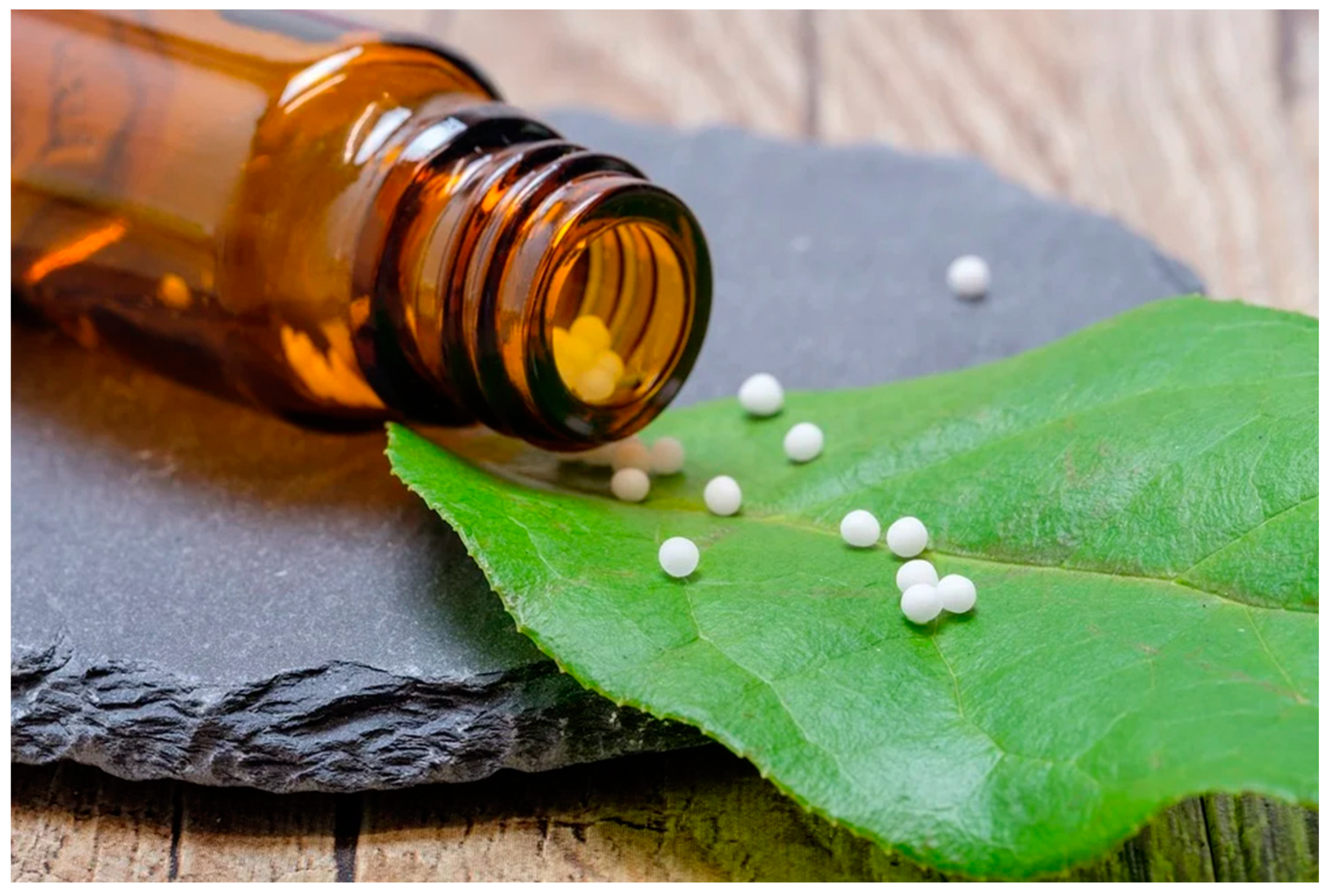
These are highly diluted preparations, typically in pellet or liquid form.

Homeopathy for anxiety: Treatments, research, and more
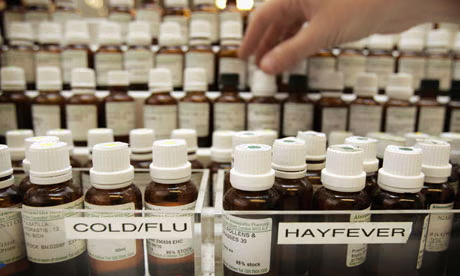
Homeopathic remedy bottles, commonly used in treatments for conditions like anxiety.
Potential Benefits and Patient Experiences
Many users report benefits from homeopathy for mental health. Observational studies and patient surveys suggest improvements in symptoms of depression and anxiety, with some patients reducing reliance on conventional psychotropic drugs. For instance, cohort studies of patients treated by homeopaths have shown moderate to significant improvements in mood and lower medication use. Advocates highlight its gentle approach, lack of addiction risk, and focus on individualized care, which may include therapeutic consultation.
Herbal medicines and homeopathic remedies
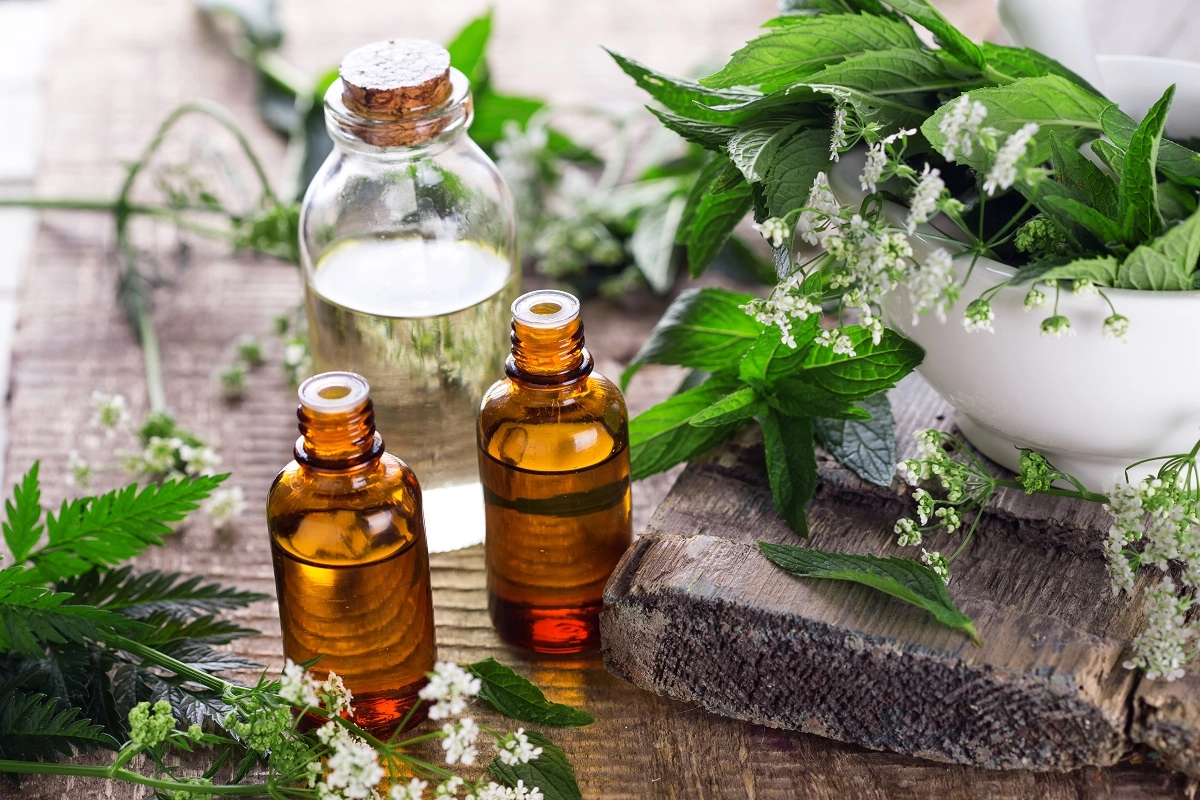
Herbal and homeopathic remedies, often explored as complementary options for mental well-being.
Scientific Evidence and Criticisms
Scientific reviews present a mixed but generally cautious picture. Some randomized controlled trials (RCTs) have found individualized homeopathy comparable to antidepressants like fluoxetine for moderate to severe depression, with potential superiority over placebo in certain cases. A few studies report benefits for premenstrual dysphoric disorder or adjunctive use in anxiety.
However, high-quality evidence is limited. Many trials suffer from small sample sizes, high risk of bias, or methodological flaws. Comprehensive reviews, including those from major health authorities (e.g., Australia’s NHMRC and the UK’s NHS), conclude that homeopathy’s effects are not clearly superior to placebo for mental health conditions. Meta-analyses often find insufficient data to recommend it clinically, attributing perceived benefits to placebo effects, the therapeutic relationship, or natural recovery.
Homeopathy is generally considered safe due to extreme dilutions, with rare mild adverse events reported.
Conclusion
While homeopathy remains popular among those seeking natural or complementary options for mental health, robust scientific support is lacking. It may offer subjective relief for mild symptoms or as an adjunct to conventional care, but it should not replace evidence-based treatments like psychotherapy or medication for serious conditions. Always consult a qualified healthcare professional before starting any treatment, especially for mental health concerns.